
Summary:
Your Legal Responsibility for Sidewalk Repairs in Long Island
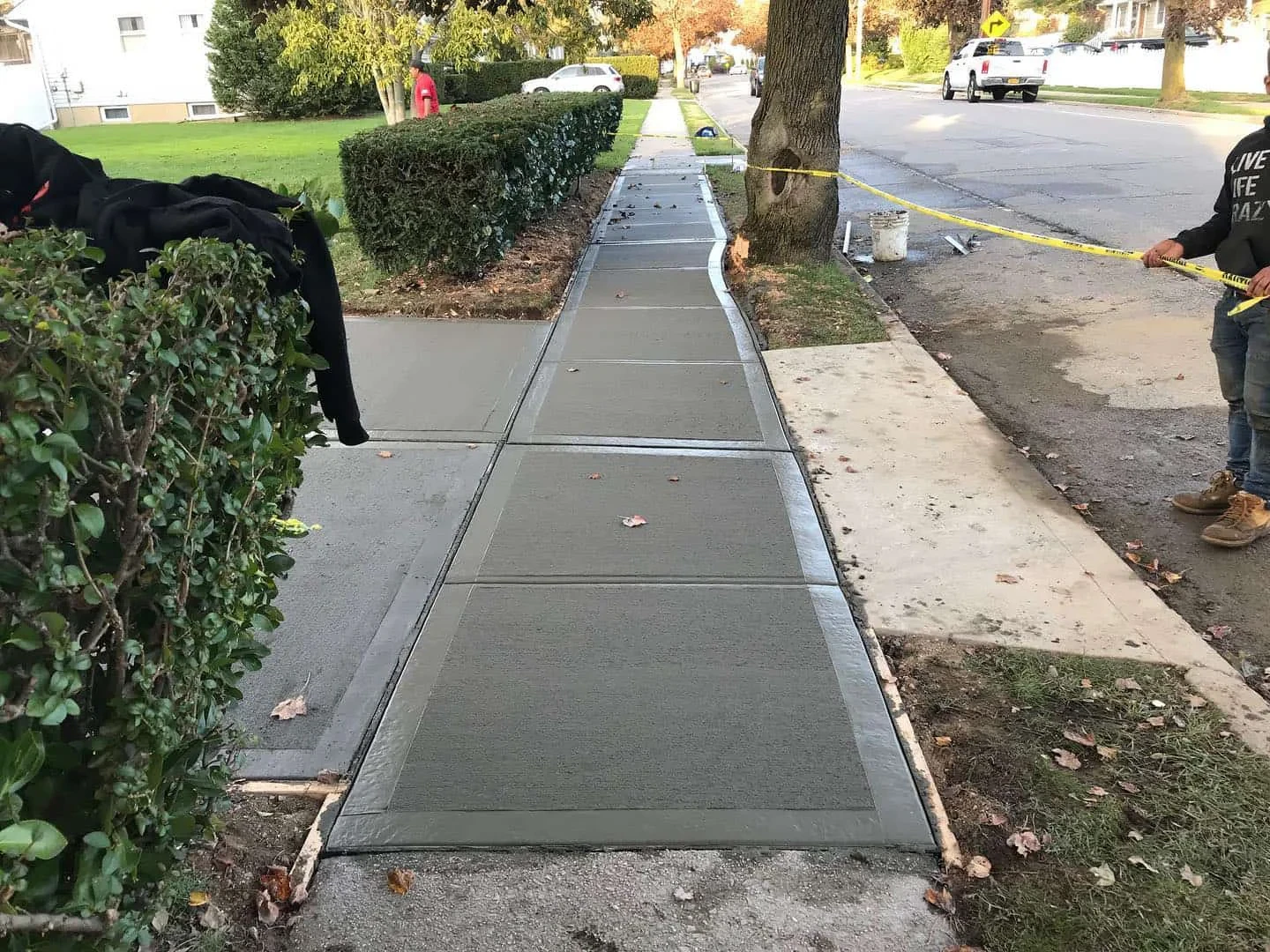
If you own property in Long Island, you’re legally responsible for maintaining the sidewalk in front of your building. This isn’t just a suggestion—it’s the law. Property owners must keep their adjacent sidewalks safe and free from hazards that could injure pedestrians.
The rules are straightforward but strict. Any vertical difference of half an inch or more between concrete sections creates a trip hazard that violates local codes. Cracks, missing sections, or uneven surfaces all put you at risk for violations and liability claims.
Most property owners don’t realize the extent of their responsibility until they receive that dreaded orange violation notice. By then, you’re facing tight deadlines and potential penalties that could have been avoided with proactive maintenance.
What Counts as a Sidewalk Violation in Nassau and Suffolk Counties
Local authorities take sidewalk safety seriously, and their definition of violations covers more than you might expect. Trip hazards occur when there’s a vertical difference of half an inch or greater between adjacent concrete flags. But that’s just the beginning.
Missing sidewalk sections, undermined flags with visible voids underneath, and loose sections that rock or seesaw all trigger violations. Surface defects measuring one inch or greater in all horizontal directions and half an inch or more in depth also make the list. Even improper drainage that allows water to pool instead of flowing toward the curb can result in a violation notice.
Hardware problems count too. Cellar doors that deflect more than one inch when walked on, utility covers not flush within half an inch of the sidewalk surface, and any other protruding elements create hazardous conditions. The inspectors know exactly what to look for, and they’re thorough in their assessments.
Understanding these specific criteria helps you spot problems before they become violations. Regular self-inspections can catch issues early, when repairs are simpler and less expensive. Don’t wait for an official notice—by then, you’re working against the clock with potential penalties looming.
The Real Cost of Ignoring Sidewalk Damage
The financial impact of neglected sidewalk repairs extends far beyond the cost of fixing the concrete. Personal injury lawsuits represent the biggest risk, with settlements often reaching thousands of dollars when pedestrians are hurt on damaged sidewalks. Your homeowner’s insurance might cover some liability, but deductibles and potential premium increases add to your costs.
Property liens create another expensive complication. When violations remain unaddressed, they’re filed with the County Clerk and stay on record until repairs are completed. These liens can block home sales and complicate refinancing applications, potentially costing you deals or forcing last-minute scrambles to clear the issues.
Emergency repair orders escalate the urgency and expense. When sidewalk damage poses immediate danger, authorities can require repairs within just 10 days. Missing this deadline often means the city performs the work and bills you at premium rates—typically much higher than what you’d pay a private contractor.
The ripple effects continue with decreased property values. Damaged sidewalks signal neglect to potential buyers and can reduce your home’s market appeal. In competitive Long Island real estate markets, first impressions matter, and cracked, uneven sidewalks definitely don’t help your cause.
Professional vs DIY Sidewalk Repairs: What Long Island Property Owners Need to Know
While small crack repairs might seem like simple DIY projects, sidewalk work involves more complexity than most property owners realize. Professional repairs ensure compliance with local codes and DOT specifications that untrained homeowners often miss.
Permit requirements add another layer of complexity. Work involving more than 25 square feet requires permits, and even smaller projects need permits when addressing violations. Licensed contractors handle these requirements as part of their service, while DIY approaches often overlook crucial paperwork.
The quality difference shows in longevity. Professional repairs use proper materials, techniques, and curing processes that extend the life of your sidewalk. Amateur work might look acceptable initially but often fails prematurely, creating recurring problems and additional expenses.
Why Professional Sidewalk Repairs Cost Less Long-Term
Professional sidewalk repairs in Long Island typically range from $1,000 to $3,000 for residential properties, with costs averaging $12 to $18 per square foot. While this might seem significant upfront, it’s actually a bargain compared to the alternatives and long-term consequences of inadequate repairs.
Consider the math: personal injury lawsuits average thousands in settlements, violation penalties can reach hundreds or thousands of dollars, and emergency city-performed repairs often cost significantly more than private contractor rates. Professional work prevents these expensive scenarios while providing warranty protection for your investment.
Quality materials and proper installation techniques mean professional repairs last longer. Instead of repeatedly patching the same problems, you get durable solutions that handle Long Island’s freeze-thaw cycles, heavy foot traffic, and weather extremes. This longevity translates to lower per-year costs over the life of your sidewalk.
Licensed contractors also carry insurance protection that covers their work and protects you from liability during the repair process. DIY projects offer no such protection—if someone gets hurt during amateur repairs, you’re fully exposed to liability claims.
The permit and inspection process ensures your repairs meet all current codes and standards. This compliance protects you from future violation notices and ensures your work passes any inspections required for property sales or refinancing.
Choosing the Right Sidewalk Repair Contractor in Nassau and Suffolk Counties
Not all contractors understand the specific requirements for sidewalk work in Nassau and Suffolk Counties. You need professionals familiar with local codes, permit processes, and DOT specifications that govern sidewalk repairs in your area.
Licensed contractors provide crucial protection and expertise. The NYC Department of Consumer Affairs requires contractors to hold licenses for home improvement work exceeding $200, and this licensing ensures they understand legal requirements and maintain proper insurance coverage. Always verify licensing before hiring anyone for sidewalk work.
Experience with local regulations matters significantly. Contractors who regularly work in Nassau and Suffolk Counties understand the specific requirements, inspection processes, and common issues that arise in Long Island’s climate and soil conditions. This familiarity translates to smoother projects and better long-term results.
References and past work provide insight into quality and reliability. Look for contractors who can show examples of completed sidewalk projects and provide contact information for recent customers. Online reviews offer additional perspective, but focus on detailed feedback about communication, timeliness, and work quality rather than just star ratings.
Warranty coverage demonstrates confidence in workmanship and provides protection for your investment. Reputable contractors stand behind their work with written warranties that cover both materials and labor for specified periods. This coverage gives you recourse if problems develop and shows the contractor’s commitment to quality.
Protect Your Property and Peace of Mind with Professional Sidewalk Repairs
Sidewalk damage isn’t something you can ignore and hope it goes away. The legal, financial, and safety risks only increase over time, while repair costs typically rise as problems worsen. Professional sidewalk repairs protect your property investment, ensure compliance with local regulations, and eliminate the liability exposure that keeps property owners awake at night.
The choice between professional repairs and risky alternatives is really no choice at all. Licensed contractors provide expertise, warranty protection, and peace of mind that DIY approaches simply can’t match. When you’re dealing with legal obligations and potential liability, cutting corners isn’t worth the risk.
For Long Island property owners facing sidewalk issues, we bring decades of experience and local expertise to every project. Don’t let sidewalk damage become a bigger problem—address it professionally and protect your property’s value and your family’s financial security.