
Summary:
What Qualifies as Emergency Masonry Repair in Long Island
Not every crack or loose brick requires immediate attention, but certain situations demand urgent professional intervention. Emergency masonry repair involves any structural damage that poses immediate safety risks or allows water infiltration into your home.
A leaky chimney is more than just an annoyance; it’s a threat to your home’s safety and your wallet. Water damage can lead to costly repairs, mold growth, and even structural issues. When you’re dealing with active leaks, crumbling mortar during freezing weather, or visible structural instability, you need professional help within hours, not days.
The key difference between routine maintenance and emergency repair comes down to immediate risk. If the problem could worsen significantly overnight or poses safety hazards to your family, it’s an emergency.
Common Emergency Masonry Situations Long Island Homeowners Face
The harsh winter of Suffolk County, coupled with its humid summers, can particularly exacerbate wear and tear. The varying weather conditions in New York can take a toll on your chimney’s structure and function. Understanding the most common emergency scenarios helps you recognize when to call for immediate help.
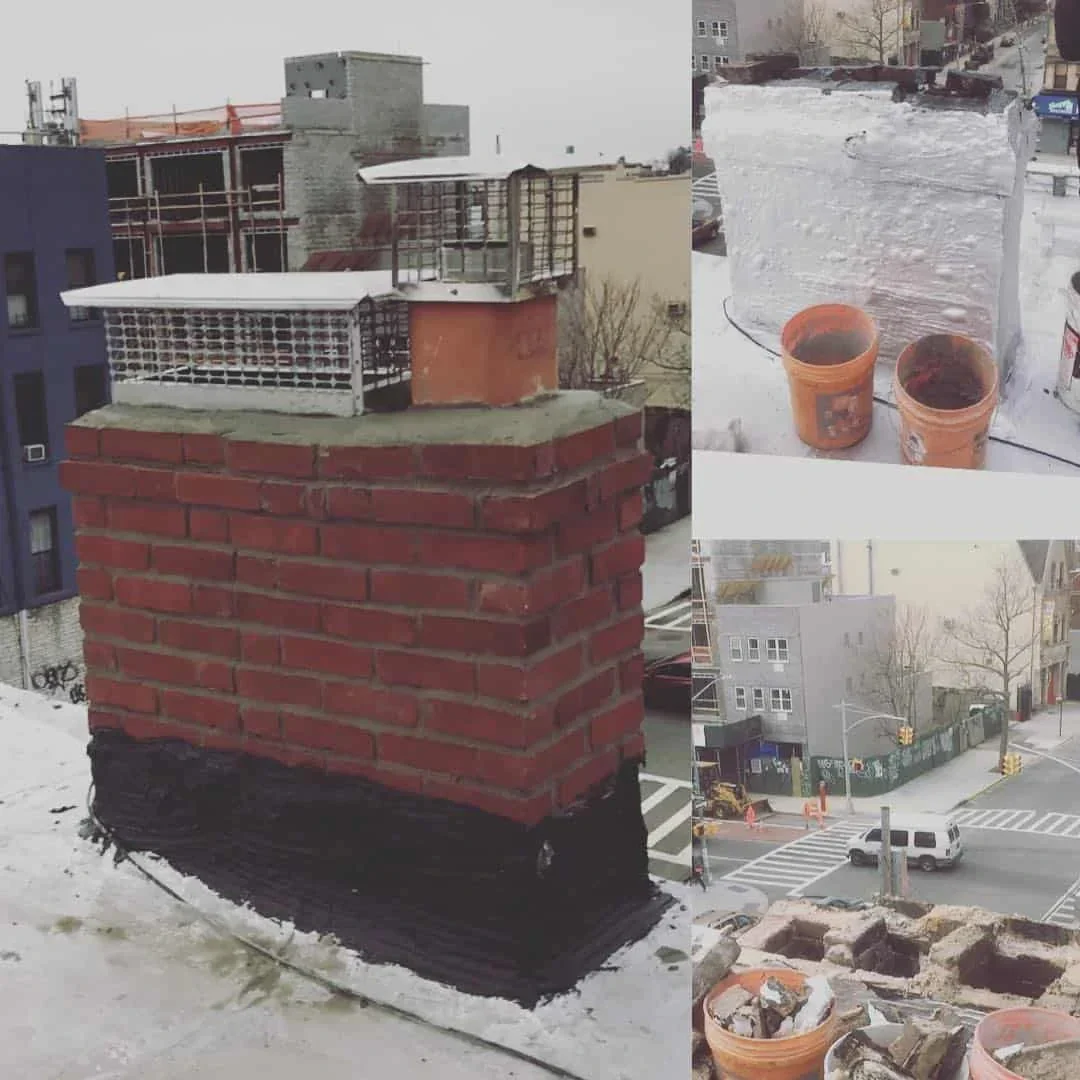
Sudden Chimney Leaks: A leaky chimney is nothing to take lightly. If you’ve noticed signs of leaks, it means you have a problem that’s not going to go away. Water entering through damaged flashing, cracked crowns, or deteriorated mortar joints can cause rapid deterioration, especially during freeze-thaw cycles. You might notice water stains on walls, musty odors, or actual dripping during rainstorms.
Storm Damage: High winds, falling trees, and severe weather can cause immediate structural damage to chimneys, retaining walls, and exterior masonry. Storm damage roof repair, tree damage roof repair, emergency gutter repair, and storm damage chimney repair often require immediate attention to prevent further deterioration.
Structural Instability: When you notice leaning chimneys, bulging walls, or significant settling cracks, these indicate potential structural failure. A leaning chimney is often caused by foundation issues or eroded mortar joints. Addressing this problem requires specialized repairs.
Winter Weather Damage: Freeze-thaw cycles can rapidly expand existing cracks, causing sudden failures in mortar joints and brick faces. What might seem like minor damage in fall can become a major structural issue after a few freeze-thaw cycles.
Immediate Steps to Take During a Masonry Emergency
When you discover emergency masonry damage, your first priority is safety, followed by damage control. Taking the right immediate steps can prevent minor emergencies from becoming major disasters while you wait for professional help.
Safety First: If you suspect structural instability, keep family members away from the affected area. For chimney emergencies, avoid using your fireplace or heating system until professionals can assess the damage. Leaks from your chimney may cause several risks to your safety, including chimney fire and carbon monoxide poisoning. These leaks may also be signs of more serious structural damage that you need to address immediately.
Document the Damage: Take photos and videos of the problem from multiple angles. This documentation helps contractors provide accurate estimates and assists with insurance claims. Take a few quality photos or videos of the area you need repaired. Try to get a few close ups and some wide angle views to see the whole area.
Temporary Protection: If water is actively entering your home, use tarps or plastic sheeting to protect interior spaces. For exterior damage, temporary coverings can prevent additional water infiltration, but avoid attempting structural repairs yourself.
Contact Professionals Immediately: Emergency masonry repair services are available at any time to provide you with the necessary help you need to keep your property safe and secure. Don’t wait for business hours when dealing with active leaks or structural concerns.
Turn Off Utilities if Necessary: If damage affects areas near electrical connections or gas lines, shut off utilities to prevent additional hazards. Water and electricity don’t mix, and gas leaks can create serious safety risks.
Finding Reliable Emergency Masonry Contractors in Nassau and Suffolk County
When you’re dealing with a masonry emergency, you need contractors who can respond quickly without compromising quality. Your renovation or remodeling project can quickly devolve into a nightmare when you find that contractors are incompetent and apathetic. Before you know it, you’re out a large chunk of money and your home is in worse shape than before.
The key is finding contractors who specialize in emergency response and have the credentials to back up their promises. Fast estimates and same day service should be standard, not exceptional, when you’re dealing with urgent masonry issues.
Look for contractors who understand Long Island’s unique challenges and have experience with the types of emergencies common to our area.
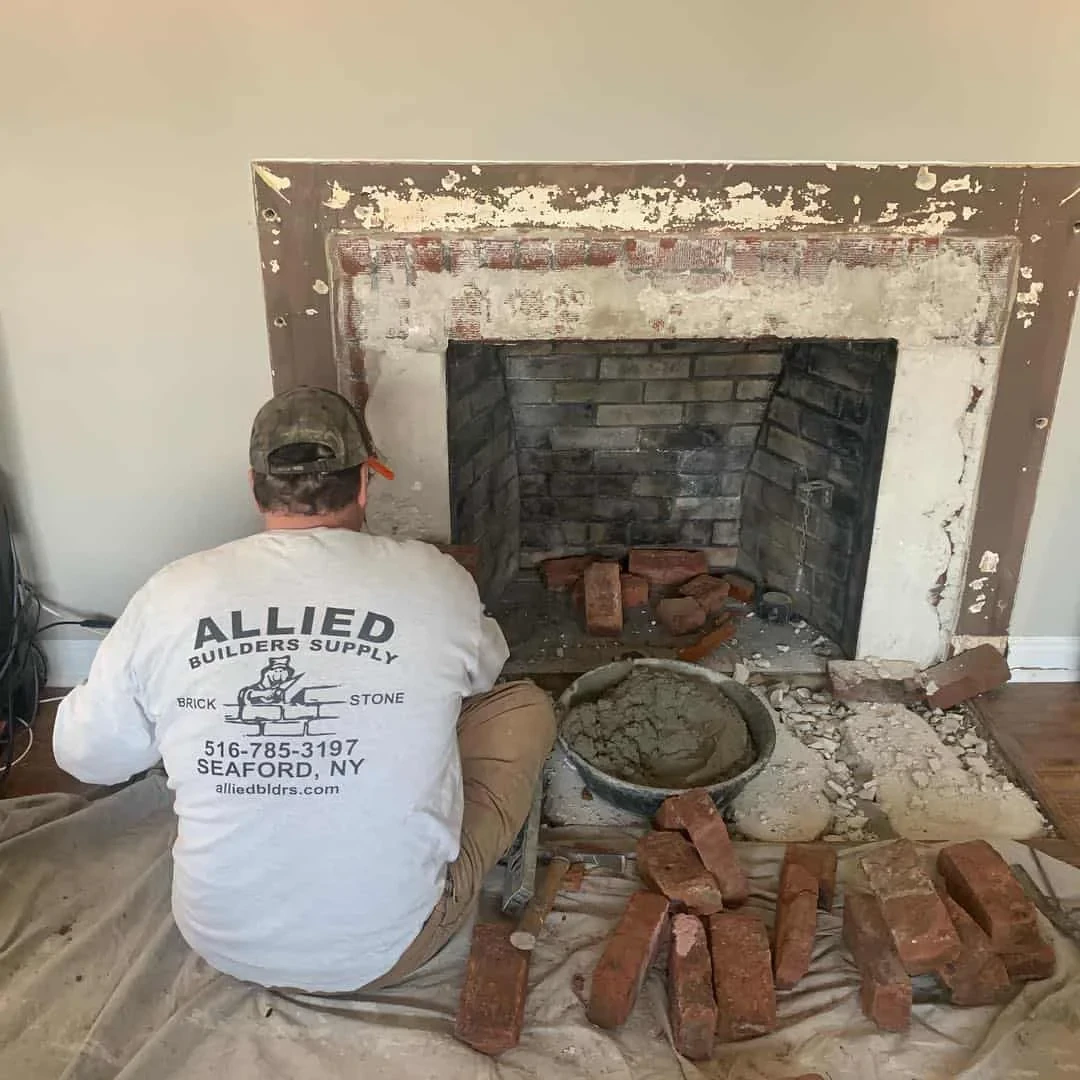
Essential Qualifications to Look for in Emergency Masonry Contractors
Not all masonry contractors are equipped to handle emergencies effectively. As a family-owned and operated business, we possess a deep understanding of the unique challenges faced by residents of Long Island and recognize the importance of durable construction, particularly in the face of the region’s fluctuating climates.
Licensing and Insurance: This isn’t negotiable for emergency work. We are licensed and insured in Suffolk County and Nassau County, which ensures you’re protected if something goes wrong during repairs. Emergency contractors should carry comprehensive liability insurance and workers’ compensation coverage.
24/7 Availability: True emergency contractors offer 24-hour emergency service, speedy responses, and guaranteed work at the price and time you were quoted. We have systems in place to respond to urgent calls outside normal business hours.
Local Experience: If contractors are unfamiliar with local building codes, that can be an enormous red flag. Experienced contractors usually handle the permits themselves. Long Island has specific building requirements and weather challenges that require local expertise.
Emergency Equipment and Materials: Reliable emergency contractors maintain inventory of common repair materials and have equipment ready for immediate deployment. We often come same day for estimates and can have materials ready to install when needed.
Proven Track Record: Take a look at their website, read their reviews, analyze costs, and look for testimonials. It also helps to take a look at how long the contractor’s been in business. Emergency contractors should have documented experience handling urgent repairs successfully.
Red Flags to Avoid When Choosing Emergency Masonry Services
Emergency situations make homeowners vulnerable to contractor scams and poor workmanship. Knowing what to avoid can save you from turning a masonry emergency into a financial disaster.
Door-to-Door Solicitation: Legitimate emergency contractors don’t need to chase storms or knock on doors. If you call a few contractors and nobody responds, but then someone shows up at your door, be cautious. Quality contractors respond within reasonable timeframes when you contact them.
Pressure for Immediate Payment: Professional contractors understand emergency billing procedures. They should provide clear estimates and reasonable payment terms, not demand full payment upfront. Within 24 hours contractors should provide you an estimate. If approved, they collect a small deposit and schedule a date.
Lack of Proper Documentation: Emergency contractors should still provide written estimates, proper contracts, and proof of insurance. The urgency doesn’t excuse cutting corners on paperwork that protects both parties.
Unrealistic Promises: Be wary of contractors who guarantee permanent fixes for complex problems within hours, or who claim they can solve everything without proper assessment. Quality contractors take time to complete projects correctly, instead of speeding through them, with top-skilled masons handling every project.
Significantly Lower Prices: The cost of chimney repairs on Long Island tends to be higher than national averages due to the region’s higher labor costs and stringent building codes. Minor repairs might start around $250, while major structural work can easily exceed several thousand dollars. Emergency work typically costs more due to urgency, not less.
No Local References: Contractors who can’t provide local references or have no established presence in Nassau or Suffolk County should raise immediate concerns, especially for emergency work requiring quick response and follow-up service.
Protecting Your Long Island Home with Professional Emergency Masonry Repair
Understanding masonry repair costs specific to Long Island helps you make informed decisions about maintaining this important home feature. From minor adjustments to major structural repairs, being aware of typical regional price ranges enables better budgeting and maintenance planning.
The key to handling masonry emergencies successfully is preparation and quick action. Know the warning signs, understand when to call for help, and have contact information for reliable emergency contractors before you need them. Regular maintenance and inspections are key to preventing future emergencies. Ensure caps are secure, have flashing checked, and seal cracks with professional-grade materials.
When emergencies do occur, remember that the cheapest option is rarely the best option, especially when your home’s safety is at stake. Choose contractors based on qualifications, experience, and reliability rather than price alone. For emergency masonry repair services throughout Nassau and Suffolk County, we at Ageless Masonry provide the professional expertise and rapid response Long Island homeowners need when masonry emergencies threaten their homes.