
Summary:
Seasonal Masonry Inspection: Your Winter Damage Prevention Checklist
Inspect the joints between bricks and stones in your masonry chimney for cracks, missing pieces, and plants growing—each one a sign of water infiltration, with white residue or efflorescence indicating masonry joints are absorbing rather than repelling water. This inspection catches problems while they’re still manageable.
Start with your chimney crown and work down. Look for hairline cracks in mortar joints, loose or missing bricks, and any white powdery deposits on the surface. Water-stained ceilings or walls near the chimney often indicate leaks caused by worn-out flashing or cracks in the chimney cap, while humidity encourages moss and algae growth that can trap moisture and worsen masonry damage over time.
Don’t skip the foundation either. Check foundation walls, floors, concrete and masonry for cracking, heaving or deterioration. Winter’s freeze-thaw cycles will turn minor issues into major structural problems.
How to Spot Freeze-Thaw Damage Before It Gets Expensive
The brick surface is porous and soaks up moisture like a sponge, and as temperature drops below zero, the soaked moisture turns to ice with expanding ice crystals causing bricks and mortar to crack. You need to know what to look for before winter makes everything worse.
Spalling is your first warning sign. Bricks that chip or crumble—what we call spalling—are often caused by freezing and thawing, and this deterioration can weaken your chimney and should be dealt with right away. You’ll see pieces of brick face flaking off, especially on the south and west sides where temperature fluctuations hit hardest.
Check for efflorescence—that white, chalky residue on brick surfaces. A white powder on the outside of your chimney is called efflorescence, which suggests water has found its way through, and cleaning off this residue isn’t enough—you need to fix what’s letting the water in. This tells you water is already penetrating your masonry and will freeze during the next cold snap.
Look at your mortar joints closely. Gaps in the joints where mortar used to be may also be noticeable. These gaps let water penetrate deep into the wall structure, where freezing causes internal damage you can’t see from the outside. The chimney is in danger of partial or complete collapse if the freeze-thaw effect repeats unabated for several seasons, and it also increases the risk of fire and carbon monoxide poisoning.
Temperature swings are particularly brutal on Long Island. With average winter temperatures ranging from the low 30s in the evening to the mid 50s during the day, this type of weather makes chimneys in our area more prone to freeze-thaw damage. One day of melting followed by a hard freeze can cause more damage than a week of consistent cold.
Professional vs DIY: When to Call Ageless Masonry
Some inspection tasks you can handle yourself, but others require professional expertise to avoid missing critical issues or creating safety hazards. Annual chimney inspections can help uncover minor winter damage before it develops into a significant problem, with technicians able to spot spalling or missing bricks, gaps in mortar joints, chimney crown damage, water leaks, and other issues that can occur during a long, cold and wet winter.
DIY inspection works for obvious surface issues. You can safely check ground-level foundation walls, look for obvious cracks or missing mortar, and spot efflorescence on accessible brick surfaces. You can reseal damaged masonry with a clear, impermeable, or water-resistant barrier material by brushing it on in small areas at a time, giving it fifteen minutes to absorb before reapplying, repeating the process for a couple of applications or hiring a chimney professional to tackle the job.
Professional inspection becomes essential for structural assessments, roof-level chimney work, and anything involving safety concerns. At Ageless Masonry, we’ve been serving Long Island homes since 2003 with masonry and chimney needs, working on over 200 homes and delivering outstanding workmanship that exceeds customer expectations. We’re fully licensed and insured in both Nassau and Suffolk County.
Professionals catch what you’ll miss. Raising up a house to replace damaged structural components or underpinning a defective foundation wall is a major expense, and certified home inspectors have the experience, education, and expertise to evaluate structural problems. We know how to assess load-bearing capacity, identify hidden water damage, and determine whether repairs can wait or need immediate attention.
The cost difference between professional inspection and emergency winter repairs is dramatic. Taking action before problems get worse can save you money on expensive repairs from winter damage to bricks and mortar, and a timely inspection might reveal small issues that, left unchecked, could balloon into major expenditures.
Chimney Cap Installation: Your First Line of Winter Defense
The most obvious benefit to installing a chimney cap is that moisture is prevented from pouring down the chimney, and since moisture is the number one enemy of chimneys, this is truly a major cost-saving benefit. Without proper cap protection, you’re basically inviting winter damage into your home.
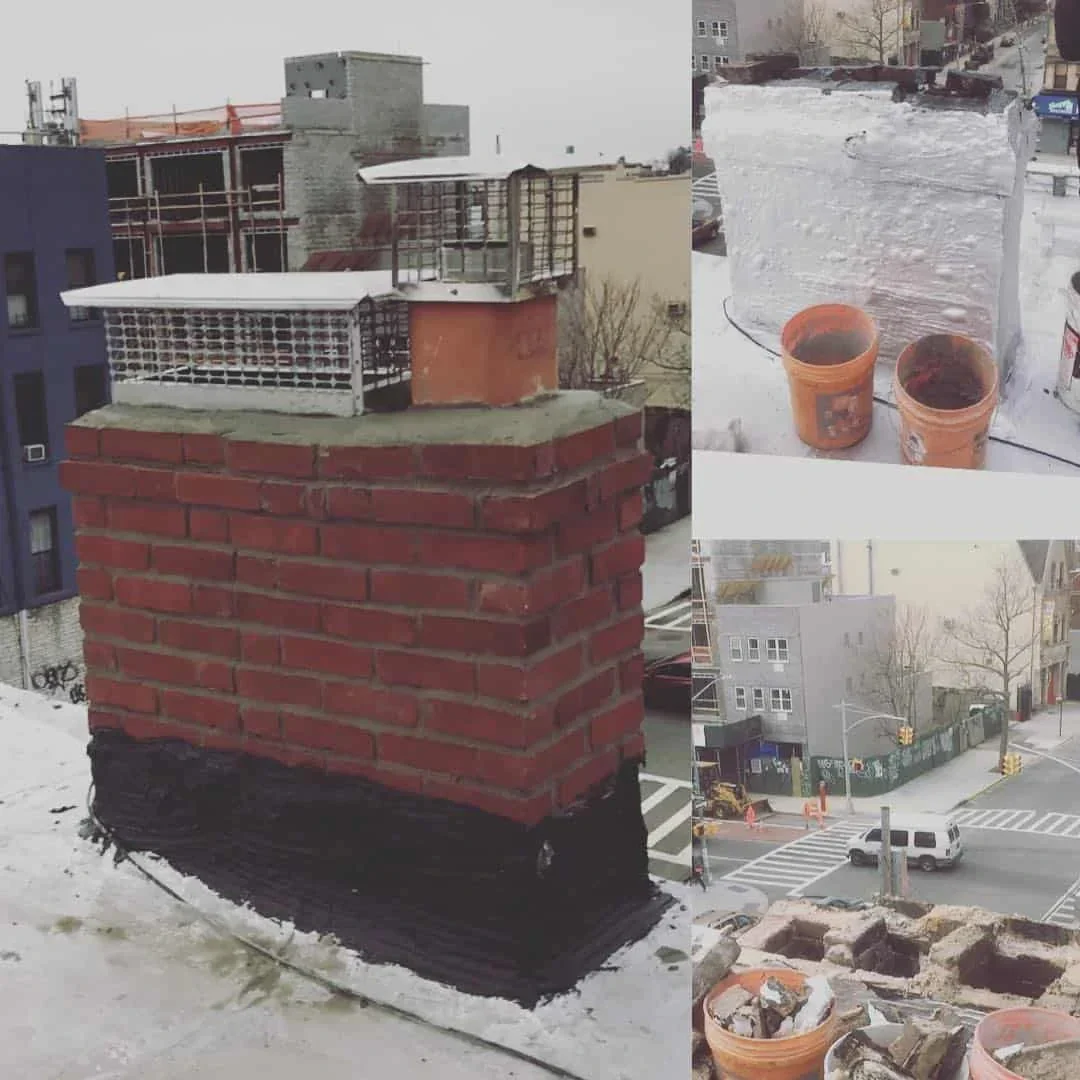
The chimney cap serves many functions, most notably being a cover that keeps water out of your chimney, and without a cap in place, your chimney would be left with a big hole at the top—come rain or snow, you’d find yourself with all kinds of water damage inside your chimney. Long Island’s winter precipitation patterns make this protection critical.
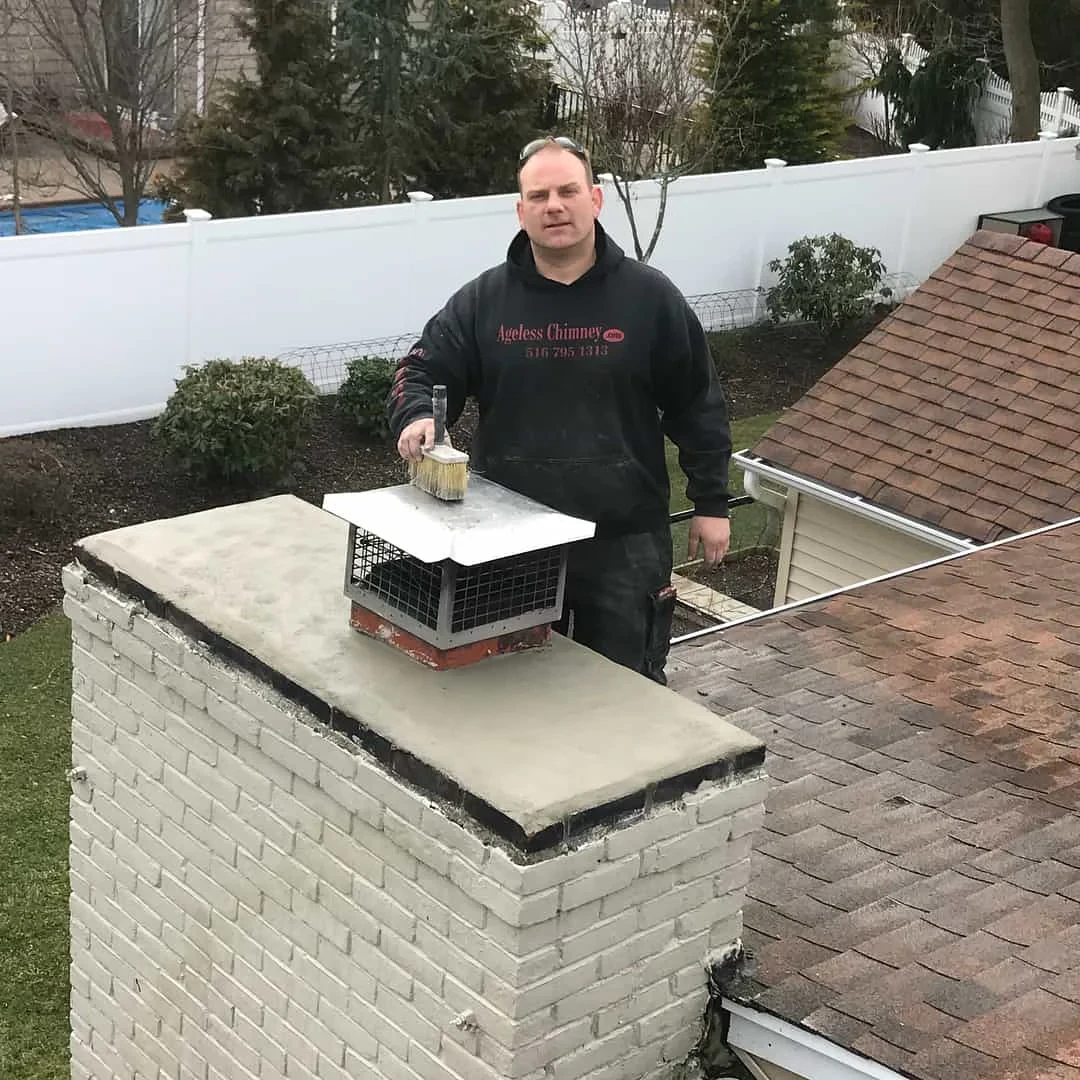
Professional installation matters more than the cap itself. Installing a chimney cap yourself requires careful attention to detail and safety, involving securing the cap firmly on top of the chimney, ensuring it’s the correct size, and making sure it’s sealed properly to prevent water, debris, and animals from entering—if you’re not confident in your DIY skills or have concerns about safety, it’s best to hire a professional like us at Ageless Masonry to ensure proper installation and avoid potential damage.
Ice Dam Prevention: Protecting Your Masonry Investment
You can remove ice dams periodically, and you can keep tree debris from building up around your chimney to prevent water, snow and ice from accumulating against the masonry, but you can’t keep moisture from being created by nature. Ice dams create a perfect storm for masonry damage that goes beyond what most homeowners expect.
It’s common for ice to form on your roof and around your chimney during severe winter snowstorms, and when ice builds up, it creates an ice dam, forcing moisture into the bricks and mortar joints—as discussed, moisture penetration leads to cracked brickwork and a compromised chimney. The water doesn’t just sit on the surface; it penetrates deep into your masonry where freezing causes internal expansion and cracking.
Water can easily get into the surfaces of porous bricks and small cracks in both bricks and the mortar that holds the bricks together, and once inside, the water will freeze and expand when the temperature drops. This internal pressure creates damage you can’t see until it’s extensive and expensive to repair.
Prevention starts with proper attic ventilation and insulation. Ice damming is a direct result of improper attic ventilation, exhaust ducting and insulation, with ice dams formed when snow melts and freezes to ice at the edge of the roof. Homes prone to ice dams are those that have excessive heat in their attic and experience fluctuating temperatures throughout the day and night, with snow melt on your roof that ends up forming ice dams caused when warm air from your home travels into your attic and warms up the underside of the roof.
The chimney area is particularly vulnerable. You can find evidence of ice forming around the base of the chimney, where it meets your roof, and if the flashing has come loose or isn’t sealed well, this can be another place where ice and meltwater can do some damage. Incoming water through damaged flashing can lead to deterioration of attic materials and other materials within your home as well as the growth of dangerous mold, with dark, closed and damp areas ideal for harboring mold, which often isn’t known until a serious infestation occurs.
Regular maintenance prevents ice dam formation. Thoroughly clean all leaves, sticks and other debris from your home’s gutters and downspouts to allow melting roof snow to flow into gutters and through downspouts, make every effort to keep snow on your roof to a minimum using long-handled devices called “roof rakes” that let you stand on the ground and pull snow off the roof, keeping heavy snow loads off your roof reduces the chances for both ice dam formation and roof failure due to the weight.
Material Selection for Long Island's Coastal Climate
In Long Island’s salty air and fluctuating temperatures, stainless steel reigns supreme as the ultimate choice for chimney caps, offering unmatched durability, corrosion resistance, and longevity, with stainless steel caps not only built to last but also adding a touch of modern elegance to your home’s silhouette. Material choice makes the difference between annual replacements and decades of protection.
Stainless steel caps and covers are superior to cheaper materials because stainless steel is simply more reliable, long-lasting, and less prone to corrosion, ensuring your chimney system truly gets the protection it needs to withstand season after season of outdoor exposure and troublesome weather. The initial cost difference pays for itself within a few seasons.
For Long Island’s coastal climate with harsh winters and high humidity, stainless steel chimney caps offer the best balance of durability and value, resisting rust from salt air and handling freeze-thaw cycles without cracking or warping, while copper caps are excellent for homeowners who want maximum longevity and don’t mind the higher upfront cost, developing a natural patina that actually protects the metal over time, and galvanized steel works well for budget-conscious homeowners, though it may need replacement sooner in our coastal environment.
Long Island’s salt air accelerates corrosion on inferior materials. Salt carried by coastal winds penetrates brickwork and mortar joints, causing gradual deterioration, and when mixed with rain or condensation, salt can lead to efflorescence, white deposits that signal moisture damage. Your chimney cap needs to withstand not just winter weather, but year-round coastal exposure.
Single flue caps are economical options available in stainless steel, galvanized steel, and copper, while multi-flue options cover both the flue and the chimney crown, with other types of chimney toppers including decorative shrouds, clay chimney pots, and copper pots—copper is the most expensive and beautiful material used for chimney caps. The investment in quality materials prevents the cycle of repeated replacements that cheaper options require.
Professional installation ensures proper fit and sealing. Made of aluminum or stainless steel, band-around brick chimney crowns completely enclose the chimney with a mesh design, and a band-around brick crown must fit the chimney securely; therefore, it’s best to have a professional install this cap. By going with stainless steel, you can get the job done right, then put it out of your mind, while with other materials, you may get some temporary, short-term protection, but you’ll want to figure on having new components installed again shortly down the line.
Protecting Your Long Island Masonry Investment This Winter
Winter preparation isn’t optional for Long Island masonry—it’s essential for protecting your investment and avoiding expensive spring repairs. Cold temperatures, precipitation, and freeze-thaw cycles can lead to significant chimney damage if preventive measures are not taken, with water damage, spalling, and creosote buildup just a few of the issues that can arise during the winter months, but by winterizing your chimney, you can prevent these problems and extend the life of your chimney system.
The six essential steps we’ve covered—seasonal inspection, freeze-thaw damage prevention, professional assessment, chimney cap installation, ice dam prevention, and proper material selection—work together to create comprehensive winter protection. The best way to ensure your chimney remains in good condition is to schedule an annual inspection by a certified chimney professional before winter, with a certified chimney inspector identifying minor damage and safety issues and recommending the necessary repairs to keep your chimney safe and prevent further damage.
When you need expert masonry and chimney services that understand Long Island’s unique climate challenges, we at Ageless Masonry bring the experience and expertise to protect your home through every season.