
Summary:
Essential Credentials Every Long Island Masonry Contractor Should Have
Before you even discuss your project details, verify that any contractor you’re considering has the proper credentials. In Nassau and Suffolk Counties, legitimate masonry contractors must carry specific licenses and insurance coverage.
Start with their licensing status. Every reputable masonry contractor should hold valid licenses for both Nassau County and Suffolk County if they work across Long Island. Ask to see these credentials upfront—any hesitation or excuses should raise immediate red flags.
Insurance coverage is equally critical. Your contractor should carry both general liability insurance and workers’ compensation coverage. This protects you if someone gets injured on your property or if damage occurs during the work. Don’t just take their word for it—request certificates of insurance and verify they’re current.
What Insurance Coverage Should You Require From Masonry Contractors
The right insurance coverage separates professional masonry contractors from fly-by-night operations. When reviewing a contractor’s insurance, you need to see specific types and amounts of coverage that actually protect you.
General liability insurance should be at least $1 million per occurrence. This covers property damage, injuries to third parties, and other accidents that might happen during your project. Workers’ compensation insurance protects you from liability if a worker gets injured on your property—and it’s required by law in New York.
Some contractors carry even higher coverage amounts, like $2 million in liability insurance, which demonstrates their commitment to protecting clients. Ask for certificates of insurance directly from their insurance company, not just a photocopy. You can verify these certificates are legitimate by calling the insurance provider.
Beyond the basic requirements, look for contractors who maintain their coverage year-round, not just when they have active projects. This consistency shows they treat their business professionally and aren’t cutting corners on protection. If a contractor can’t provide current insurance certificates immediately, move on to someone who can.
Verifying Licenses and Understanding Local Requirements
Long Island’s licensing requirements exist to protect homeowners, but navigating them can be confusing. Each county has its own licensing system, and some municipalities add their own requirements on top of county and state regulations.
In Nassau County, home improvement contractors need specific licensing through the county’s Consumer Affairs office. Suffolk County has its own licensing system with different requirements and fee structures. A contractor working across both counties should hold licenses in each jurisdiction—don’t assume one covers both areas.
Beyond basic licensing, experienced contractors understand local building codes and permit requirements. Some masonry projects require permits, especially if you’re working near property lines, adding drainage, or making structural changes. A knowledgeable contractor will know when permits are needed and should handle the application process for you.
Ask potential contractors about their experience with local building departments. They should be familiar with inspection requirements and have relationships with local officials. Contractors who’ve been working in the area for years will navigate these requirements smoothly, while newcomers might cause delays or complications you’ll end up paying for.
How to Evaluate Experience and Quality of Work
Years in business matter, but the type of experience matters even more. A contractor who’s been installing basic concrete patios for 20 years might struggle with complex stone work or drainage issues specific to Long Island’s climate.
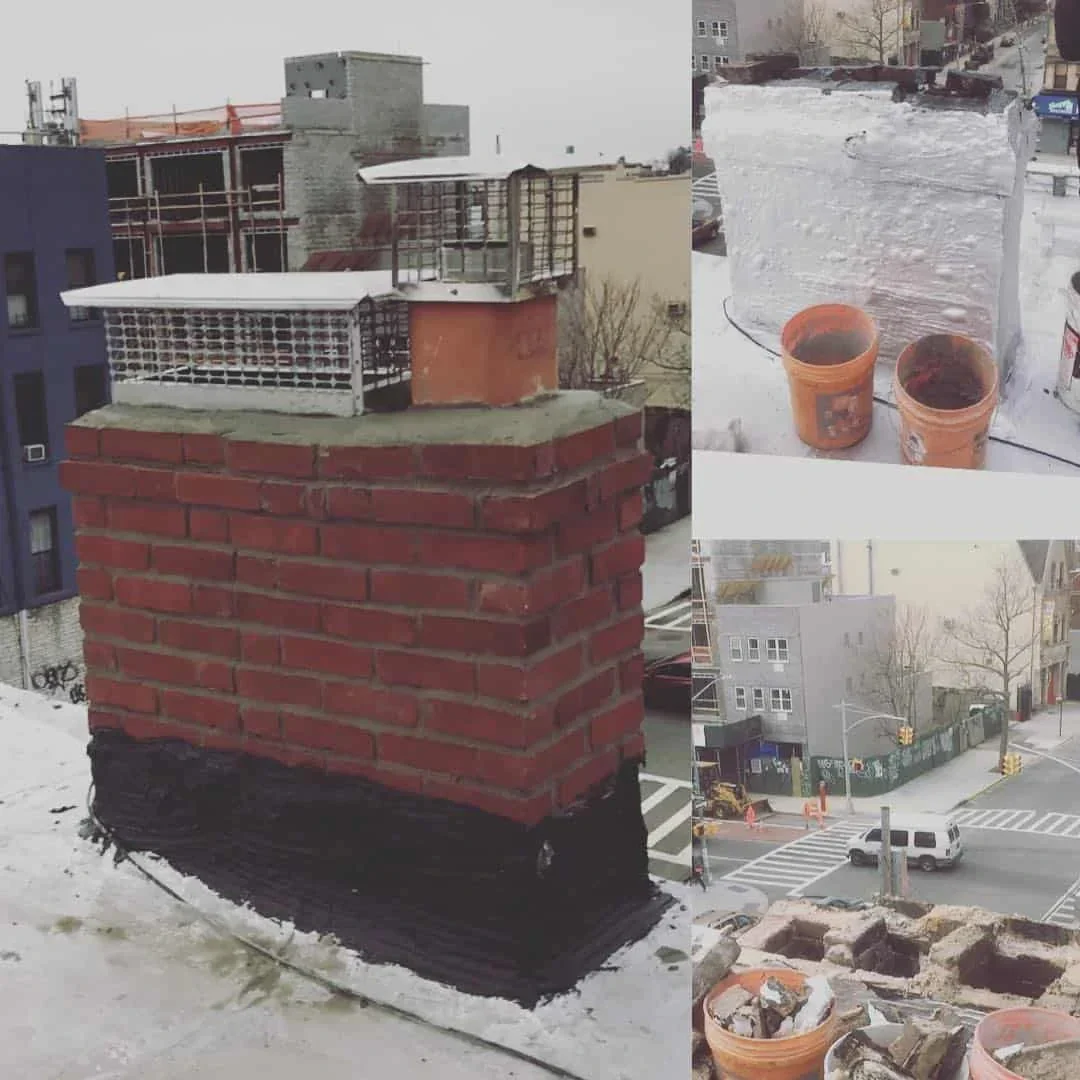
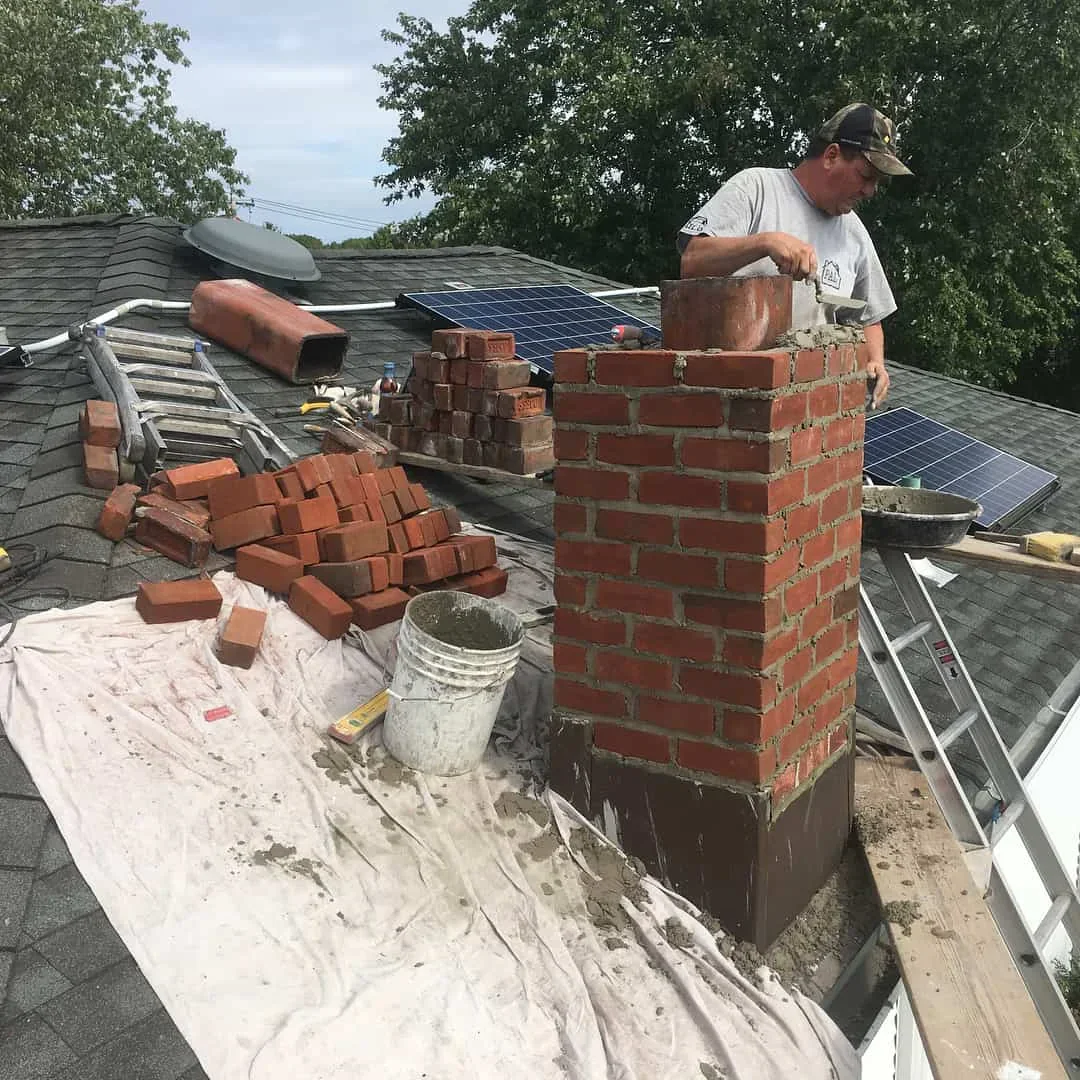
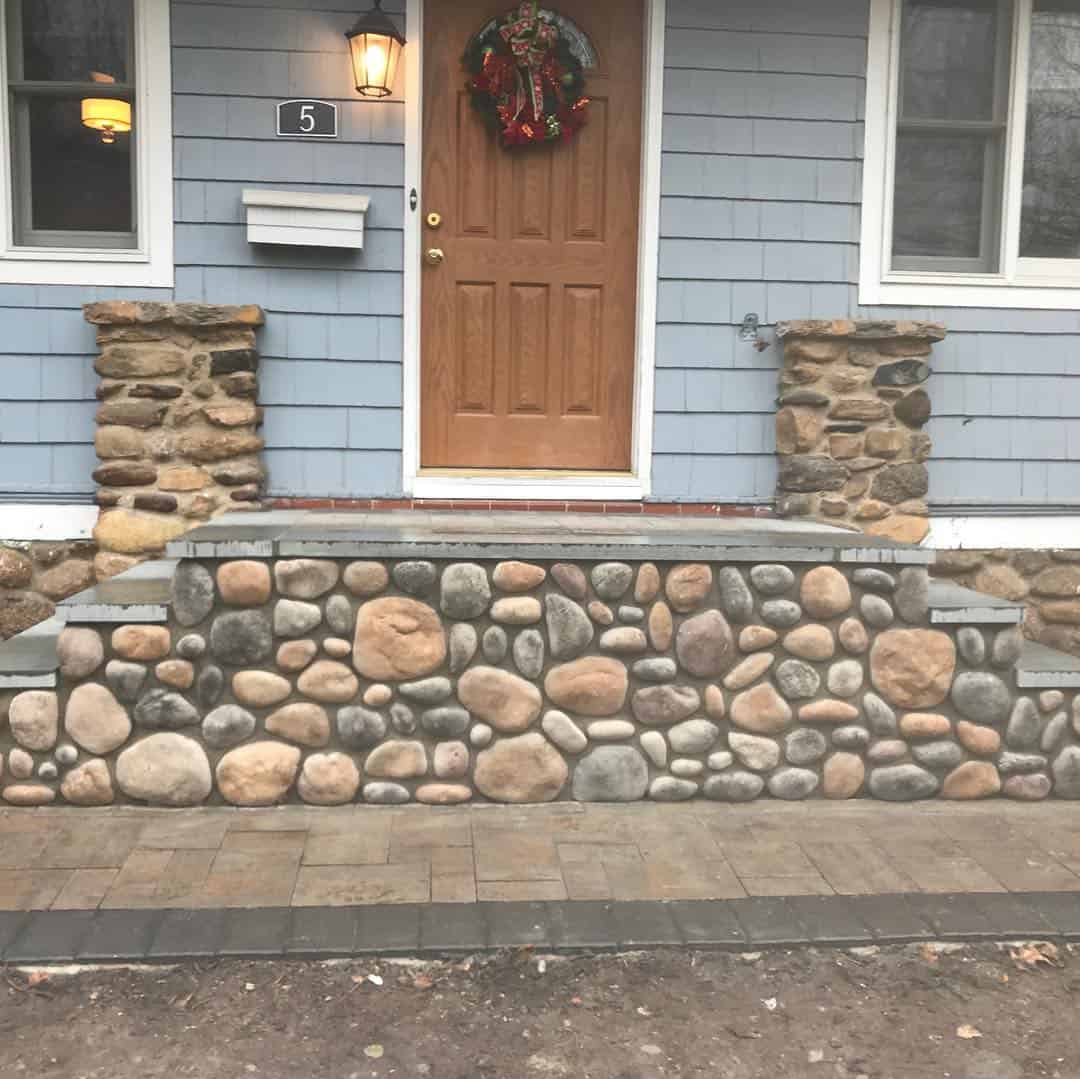
Look for contractors with experience in projects similar to yours. If you need a retaining wall, ask to see examples of retaining walls they’ve built, not just general masonry work. Pay attention to the materials they’ve worked with—natural stone requires different skills than concrete pavers.
Check their portfolio carefully. Professional contractors maintain photos of completed projects and can provide references from recent customers. Be wary of contractors who only show you a few photos on their phone or can’t provide references from the past year.
What to Look for in Past Work Examples and References
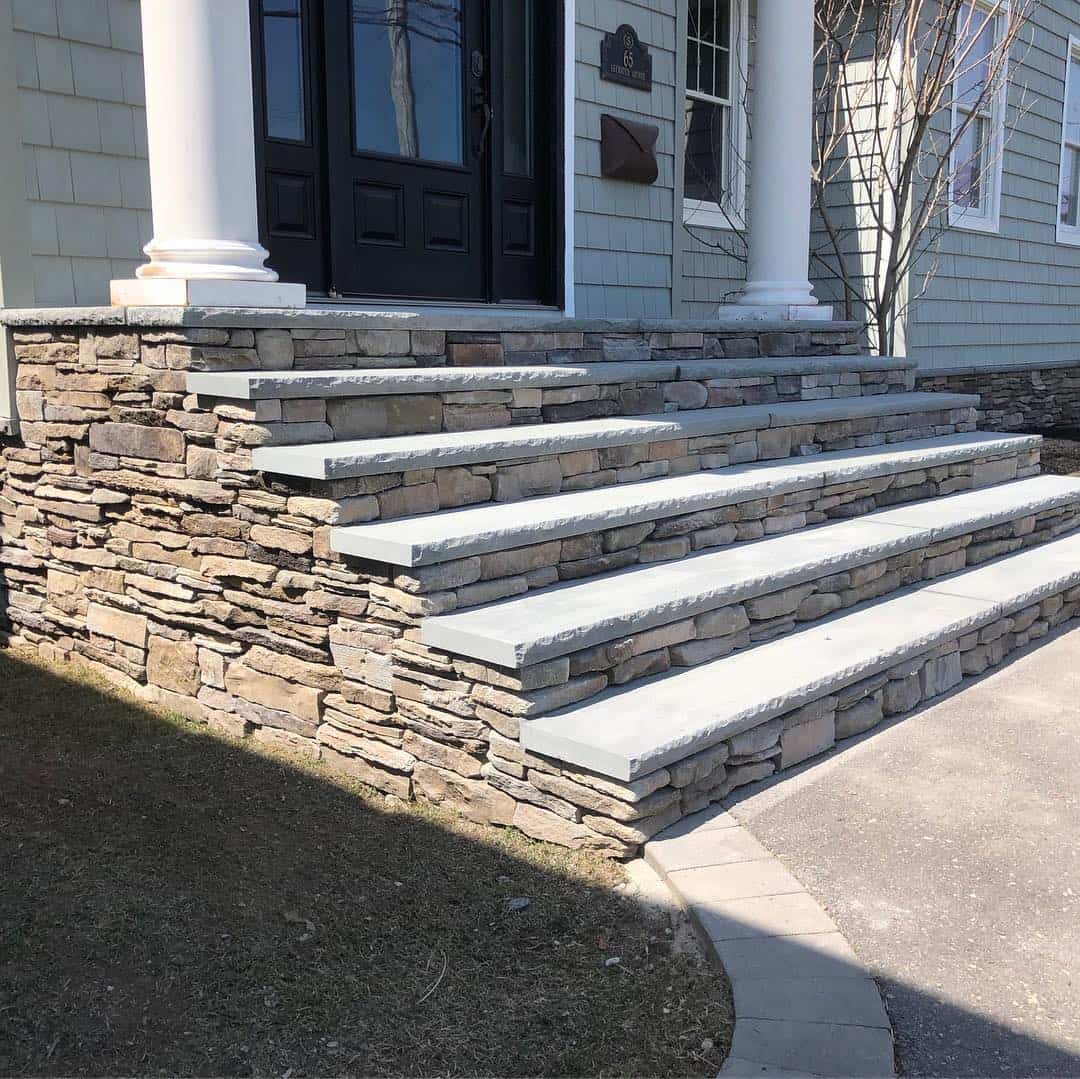
A contractor’s past work tells you everything about what you can expect. When reviewing portfolios and references, focus on projects completed within the last two years—older work might not reflect their current capabilities or crew quality.
Look for consistency in their work quality across different projects. Professional contractors maintain high standards whether they’re working on a simple walkway or an elaborate outdoor kitchen. Pay attention to details like clean lines, proper drainage, and how well the finished work integrates with existing landscaping.
Don’t just look at the glamorous “after” photos. Ask about any challenges they encountered during projects and how they handled them. Long Island’s soil conditions, drainage issues, and weather can create complications during masonry work. Experienced contractors will have stories about overcoming these challenges and should be transparent about potential issues with your project.
When contacting references, ask specific questions about communication, timeline adherence, and cleanup. Did the contractor show up when promised? Were there surprise costs? How did they handle the work area and protect existing landscaping? These practical details often matter more than just the final appearance of the work.
Red Flags That Should Make You Walk Away
Some warning signs are obvious, but others are subtle. Door-to-door solicitors offering masonry services should always be avoided—legitimate contractors don’t need to hunt for work this way. The same goes for contractors who happen to be “working in the neighborhood” and noticed your property needs work.
Pricing red flags include quotes that are significantly lower than others you’ve received, requests for full payment upfront, or contractors who can’t provide detailed written estimates. Professional contractors break down their pricing and explain what’s included. They also typically require only a small deposit to start work, with the balance due upon completion.
Communication problems often predict bigger issues. If a contractor is hard to reach during the sales process, doesn’t return calls promptly, or seems vague about project details, these problems will only get worse once work begins. Professional contractors maintain clear communication and provide detailed project timelines.
Be cautious of contractors who pressure you to sign immediately or claim their price is only good “today.” Legitimate contractors understand that masonry work is a significant investment and expect you to take time making your decision. They’re confident enough in their work and pricing to let you compare options.
Making the Right Choice for Your Long Island Masonry Project
Choosing the right masonry contractor comes down to doing your homework upfront rather than hoping for the best. Verify credentials, review past work, and trust your instincts about communication and professionalism.
Remember that the lowest price rarely delivers the best value. Quality masonry work is an investment in your property that should last for decades. A contractor who cuts corners on pricing likely cuts corners on materials, preparation, or craftsmanship—costs that you’ll pay later through repairs or replacement.
Take time to interview multiple contractors and compare their approaches to your project. The right contractor will ask detailed questions about your goals, explain potential challenges, and provide clear timelines and pricing. When you find that combination of expertise, professionalism, and fair pricing, you’ll have confidence in your choice. For your Long Island masonry project, we at Ageless Masonry are ready to discuss how our experience can bring your vision to life.