
Summary:
How to Choose a Reliable Masonry Company That Actually Shows Up
The masonry industry attracts everyone from master craftsmen to weekend warriors with a truck. Your job is telling them apart before you sign anything. Every Long Island homeowner knows the nightmare of finding a trustworthy masonry contractor in an industry full of smooth-talking guys who seem great until your project becomes a disaster.
Start with licensing and insurance. Not just asking if they have it—actually seeing the certificates. Any efficient and reliable masonry contractor will be fully licensed and insured, and a contractor with no insurance is a huge red flag you should run from. Real contractors keep this paperwork handy because they’re proud of it.
Next, watch how they handle your initial questions. It’s never a good sign if a contractor is vague or unclear about specific aspects of the job, and true professionals should never be unable or unwilling to provide you with the right documents before any work begins.
Understanding Masonry Quotes: What Should Actually Be Included
A proper masonry estimate isn’t just a number scribbled on the back of a business card. A good contractor should be able to provide a complete breakdown of all costs so you know exactly where the money will be spent. This transparency protects both of you.
Your estimate should include material specifications, labor costs, site preparation requirements, and timeline expectations. Site preparation, permits, regulations, and access challenges can all affect your final cost. If these aren’t addressed upfront, expect surprise charges later.
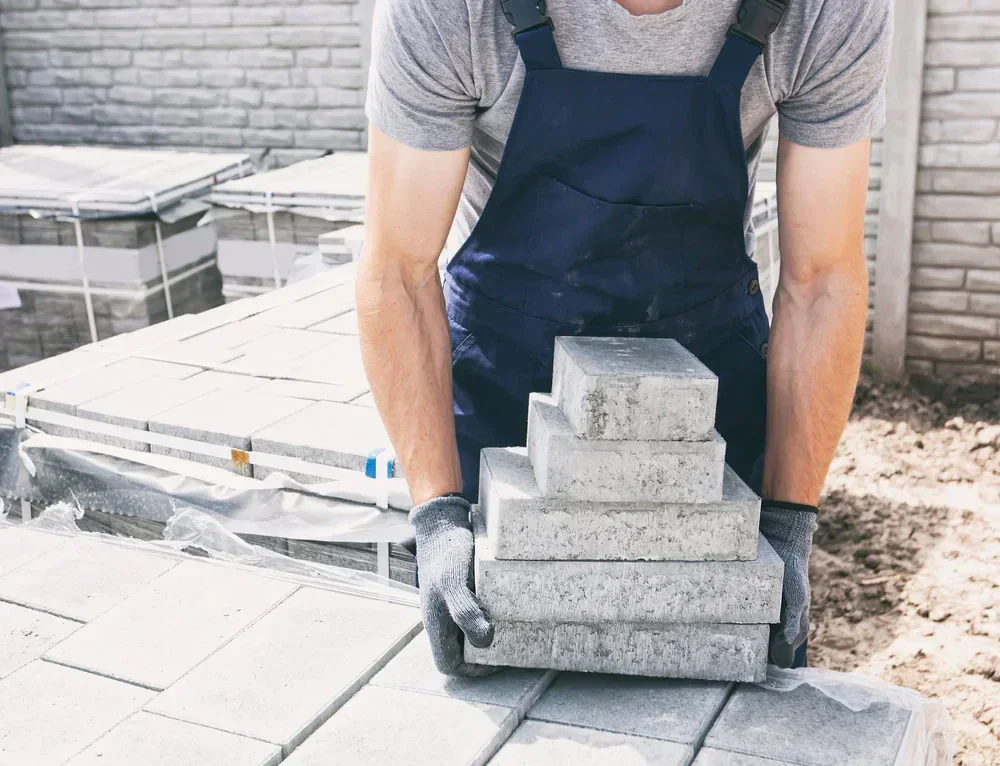
Material quality makes a massive difference in both cost and longevity. Natural stone, brick, concrete, and pavers each come with different price points, with premium materials like bluestone or granite increasing costs while concrete pavers are generally more budget-friendly. Don’t let a contractor substitute cheaper materials without your knowledge—this is where many projects go wrong.
Labor costs reflect experience and skill level. Hiring a licensed, insured, and experienced masonry contractor ensures quality but may cost more than less qualified providers, however expert craftsmanship pays off in durability and long-term value. The cheapest bid often becomes the most expensive mistake.
Permits and code compliance shouldn’t be your responsibility. A competent contractor should be familiar with all permits required and local building codes, and experienced contractors usually handle the permits themselves. If they’re asking you to pull permits, that’s a red flag.
Breaking Down Masonry Labor Costs: What You're Really Paying For
Labor costs in masonry aren’t just about hourly wages—you’re paying for expertise, equipment, and accountability. Owning and operating our own trucks, tools and equipment allows us to work efficiently and offer competitive pricing, plus we can offer financing and flexible payment options.
Skilled masons bring years of experience to every project. As one engineer noted, he expects contractors who are knowledgeable, experienced, affordable within reason, and can produce good quality work. This expertise shows in material selection, proper installation techniques, and problem-solving when issues arise.
The difference between amateur and professional work becomes obvious over time. Professional contractors complete masonry work with attention to detail while minimizing impact to your daily routine. They show up when promised, work efficiently, and clean up properly.
Equipment and material handling add value you might not see. The strength of a masonry division lies in the combination of experience, knowledge, and proper equipment, including cut-off saws, wall saws, rivet busters, jackhammers, and other specialized tools. This equipment investment allows us to complete complex projects safely and efficiently.
Quality contractors also provide warranties and stand behind their work. We guarantee our paving stone and brick work for five years against craftsmanship defects, including settling, with stamped guarantee certificates provided at contract signing. This warranty coverage is part of what you’re paying for in higher labor costs.
Material Cost Negotiation: Getting Quality Without Getting Ripped Off
Material costs can make or break your budget, but smart negotiation isn’t about choosing the cheapest option. The cost of masonry work varies based on your project’s size, material choice, and complexity. Understanding these factors gives you negotiating power.
Timing affects both material availability and pricing. During fall, the cost of hiring masonry contractors tends to decrease as construction work slows down, making it easier to schedule repairs or installations with quality attention to detail at reduced cost. Plan your project timing strategically.
Material selection directly impacts both upfront costs and long-term value. Natural stone and high-quality pavers perform best in Long Island’s climate, needing to handle freeze-thaw cycles, salt air exposure, and sandy soil conditions, with bluestone, granite, or quality concrete pavers recommended for their crack resistance and appearance retention.
Long-Term Masonry Maintenance Contracts: Worth It or Waste?
Maintenance contracts can provide peace of mind, but only if structured properly. Quality masonry requires minimal maintenance when installed correctly, typically just annual cleaning, occasional joint sand replacement for pavers, and basic weed control, with sealing recommended every 2-3 years for natural stone and some concrete pavers.
The key is understanding what maintenance actually involves versus what contractors might try to sell you. Masonry surfaces should be resealed every 2-5 years to protect against moisture, weathering, and staining, helping maintain longevity and appearance. This is legitimate maintenance that adds value.
Seasonal considerations matter for Long Island properties. The freeze/thaw cycle during winter requires fixing odd bricks, pavers, or steps that need mortar or replacement. A good maintenance contract addresses these seasonal issues proactively.
Evaluate maintenance contracts based on actual need, not fear tactics. Most masonry issues worsen over time, especially in harsh climates, and the earlier they’re addressed, the easier and more affordable they are to repair. But this doesn’t mean you need expensive annual contracts for properly installed work.
Look for contractors who provide maintenance guidance as part of their service. This includes cleaning, sealing, and minor repairs to prevent water damage, cracks, or wear over time, with contractors providing guidance on proper maintenance. Education is more valuable than expensive service contracts.
Avoiding Hidden Costs: Red Flags That Signal Trouble Ahead
Hidden costs destroy budgets and relationships. A red flag arises when a contractor is not clear or forthcoming about their pricing structure, especially if they don’t specify what services are and are not included in their contract. This lack of transparency leads to budget overruns and disputes.
Payment structure reveals a lot about contractor reliability. If a masonry contractor requires most or all payment directly up front, this can be a red flag, as many contractor horror stories begin with enormous upfront payments and failure to deliver service afterwards. Legitimate contractors work with reasonable payment schedules tied to project milestones.
Scope creep is where many projects go wrong. Simple projects can balloon in price when contractors keep adding to the job and cost. Protect yourself with detailed contracts that specify exactly what’s included and what constitutes a change order.
Watch for high-pressure tactics and artificial urgency. Even when you’ve asked a contractor to evaluate a problem, they might use high-pressure tactics to get quick decisions, but unless it’s an emergency, decisions don’t have to be that quick—you should have time to get multiple quotes and weigh options.
Contract details matter more than personality. Homeowners should always have a written contract containing all agreed-upon terms prior to work commencement or payments, never signing contracts with blanks or without fully understanding all terms. Friendly contractors without proper documentation are still risky contractors.
Making Smart Decisions: Your Long Island Masonry Investment Strategy
Smart masonry investments start with realistic expectations and proper vetting. Working with a reputable masonry contractor offers peace of mind and ensures your investment stands the test of time, with top contractors providing free, transparent estimates so you know what to expect before work begins.
The best time to address concerns is before signing anything. Once construction starts, your leverage decreases dramatically. Take time to verify credentials, check references, and understand exactly what you’re buying.
Quality masonry work transforms your property for decades. Quality masonry work isn’t just about today—it’s about the next 25 years, and when you choose materials and craftsmanship that last, you’re not dealing with constant repairs or deterioration. This long-term perspective should guide your contractor selection and budget decisions.
When you’re ready to move forward with your masonry project, remember that the cheapest option rarely delivers the best value. Take time to find contractors who demonstrate expertise, transparency, and accountability. Your Long Island home deserves masonry work that enhances its value and stands up to our challenging climate. For professional masonry services that prioritize quality and customer satisfaction, consider reaching out to Ageless Masonry to discuss your project needs.