

Pool Liner Installation in Centereach, NY

Get Your Pool Swimming-Ready Again

Professional vinyl pool liner installation that actually lasts, with precise measurements and quality materials you can trust.
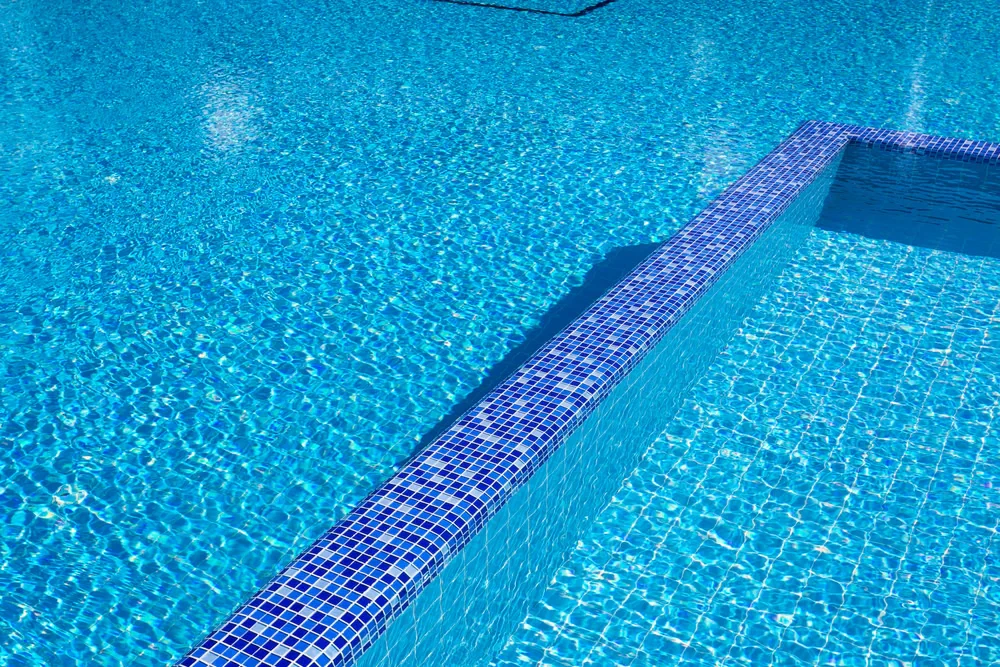
Clear Blue Swimming Pool Suffolk County New York
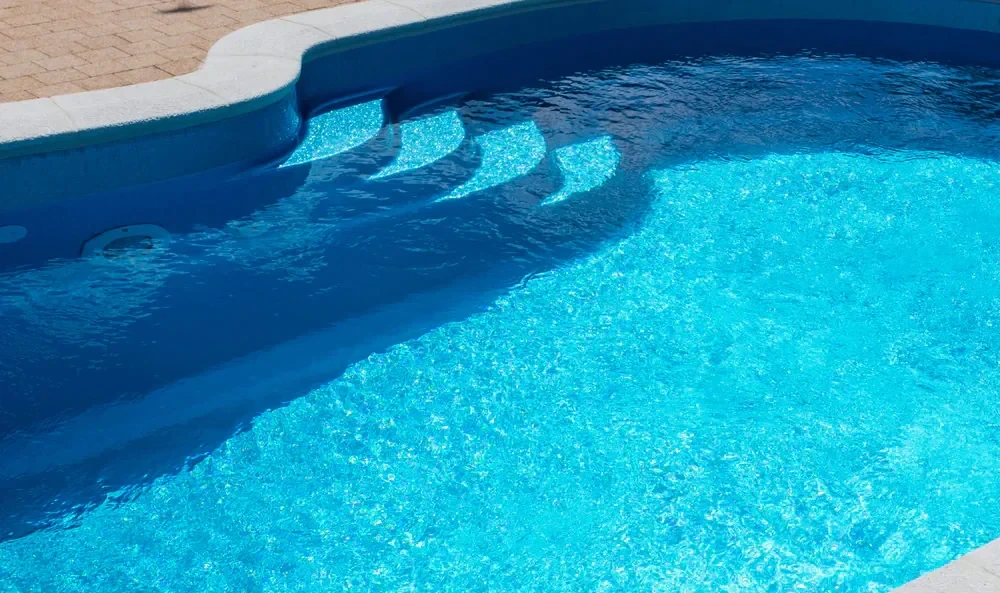
Blue Sparkling Pool Steps Suffolk County New York

Professional Pool Liner Replacement

Your Pool Problems, Finally Solved

You’re tired of looking at that faded, wrinkled, or leaking liner. You want your pool back to being the centerpiece of your backyard, not an eyesore you avoid showing guests.

When we install your new vinyl pool liner, you get a swimming pool that looks brand new again. No more patches, no more constant water loss, no more wondering if this is the year you’ll need major repairs.

The installation process is straightforward, but the results speak for themselves. Your pool becomes usable again, your water stays where it belongs, and you can actually enjoy swimming instead of constantly maintaining a failing liner.

Centereach Pool Liner Experts

We Know Long Island Pools

We at Ageless Masonry have been handling construction projects across Long Island for years. We understand what works in Centereach’s soil conditions and climate.

Pool liner installation isn’t just about dropping in new material. It requires understanding how Long Island’s freeze-thaw cycles affect pool structures, how to work with local soil conditions, and what materials actually hold up to our coastal weather.

We’ve seen what happens when pool liners are installed incorrectly. That’s exactly what we help you avoid.
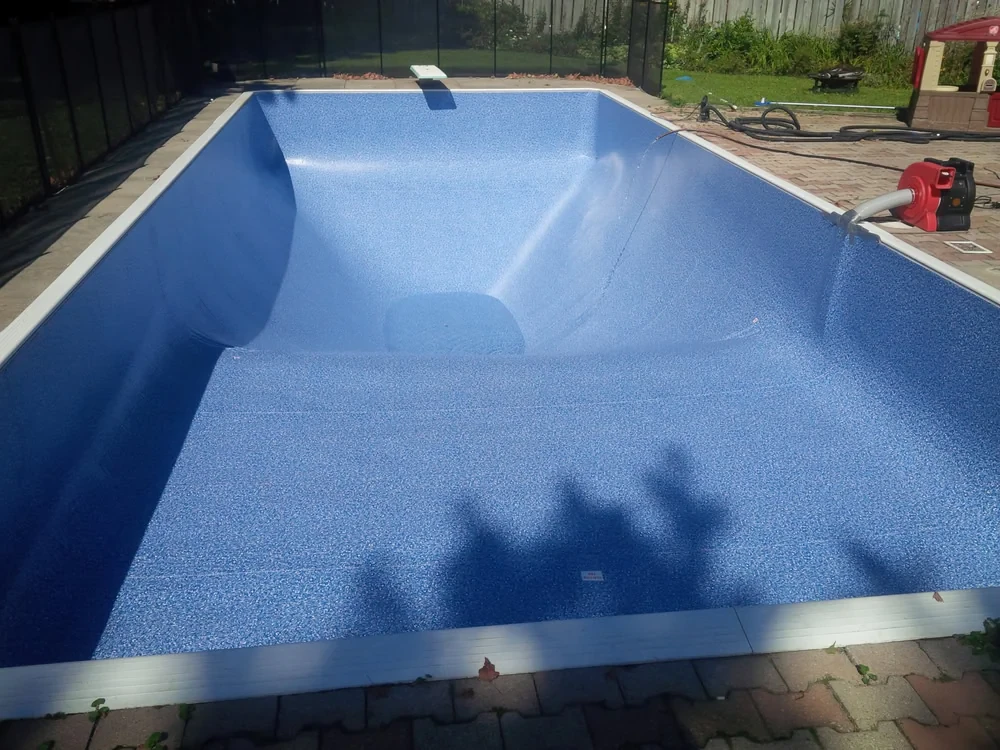
New Pool Liner Installation Suffolk County New York

Pool Liner Installation Process

Here's Exactly What Happens

First, we measure your pool precisely. Not close enough – exactly. Every curve, every corner, every step. This prevents the wrinkles and poor fit that cause most liner failures.

Next, we prepare the pool surface. Any rough spots, debris, or structural issues get addressed before the new liner goes in. This step determines whether your liner lasts two years or twelve.

Then we install the vinyl liner using proper techniques that prevent air bubbles, ensure even stretching, and create watertight seals at all fittings. The liner gets positioned correctly the first time, eliminating the stress points that cause premature tears.

Finally, we fill the pool gradually while monitoring the liner’s position. This controlled process ensures everything stays in place as water pressure builds.
Blue Pool Water Tiles Suffolk County New York

Ready to get started?

About Ageless Masonry

Get a Free Consultation

Swimming Pool Liner Services

What You Get With Us

Your pool liner installation includes precise measurement, surface preparation, professional installation, and proper filling procedures. We handle the entire process from start to finish.

You also get materials that work in Long Island’s climate. Not every vinyl liner handles our winters and salt air the same way. We use liners designed for northeastern conditions, not generic options that fail after a few seasons.

The installation comes with warranty coverage because we stand behind our work. When you invest in a new pool liner, you should know it’s going to perform as expected.
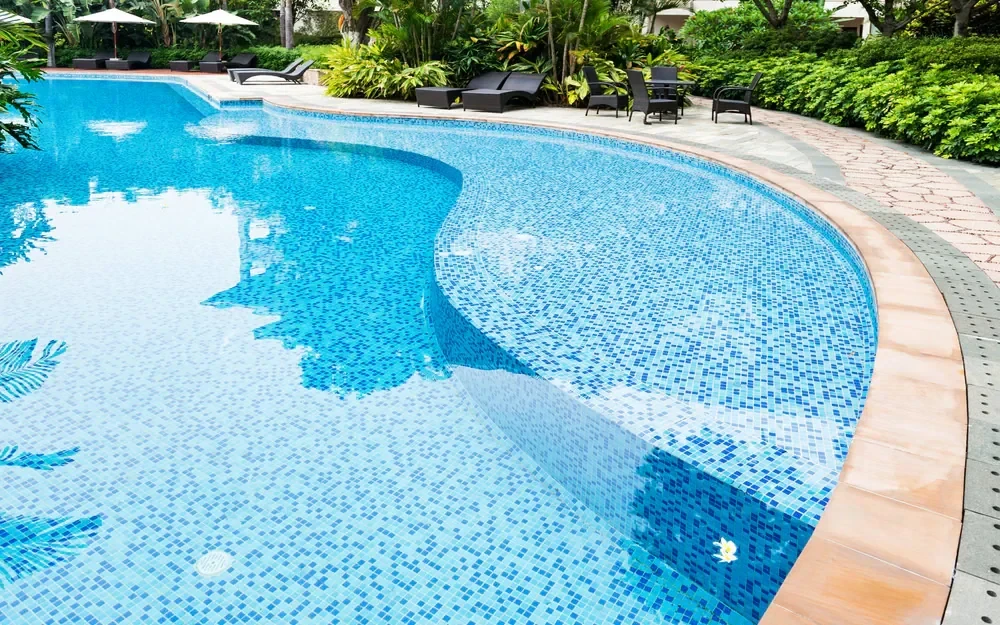
Curved Poolside Loungers Reflection Suffolk County New York

How long does pool liner installation take to complete?

Most pool liner installations take 1-2 days depending on your pool’s size and complexity. Day one typically involves draining the old liner, surface preparation, and precise measurements. Day two covers the actual liner installation and refilling process. Weather can affect timing, especially during Long Island’s unpredictable spring and fall seasons. We’ll give you a realistic timeline upfront and keep you updated if conditions change. The key is not rushing the process – proper installation takes the time it takes, and cutting corners leads to problems later.
Long Island’s freeze-thaw cycles are tough on pool liners, especially when installation isn’t done properly. Poor surface preparation creates sharp spots that puncture liners. Incorrect measurements lead to stress points where tears develop. Using cheap materials might save money upfront, but they don’t handle our coastal salt air and temperature swings. Ground movement from our soil conditions can also affect liner positioning if the installation doesn’t account for local factors. Most premature failures come down to installation shortcuts or using materials not designed for northeastern climates.
Obvious signs include visible cracks, tears, or constant water loss that isn’t explained by evaporation. Fading and staining are cosmetic issues, but they often indicate the liner material is breaking down. Wrinkles that won’t smooth out usually mean the liner has lost elasticity or wasn’t installed correctly initially. If you’re adding water more than once a week during swimming season, you likely have leaks. Rough or brittle texture when you touch the liner means the material is deteriorating. Most vinyl liners last 8-12 years with proper installation, so age is also a factor.
Pool liner installation works best in warmer weather when the vinyl material is more flexible and easier to work with. Cold temperatures make vinyl stiff and prone to cracking during installation. We typically recommend scheduling liner replacement for late spring through early fall when temperatures consistently stay above 60 degrees. However, if you have an urgent leak situation during winter, we can work with heated installation techniques in some cases. Planning ahead for spring installation usually gives you the best results and timing for the upcoming swimming season.
Quality vinyl liners use thicker gauge material (20-30 mil) that resists punctures and UV damage better than thin alternatives. They’re manufactured with stabilizers that prevent premature fading and brittleness from sun exposure. Better liners also have reinforced areas around steps and fittings where stress concentrates. Cheap liners might look similar initially, but they fade faster, tear easier, and often fail within 3-5 years. Quality materials designed for northeastern climates handle our temperature swings and salt air exposure much better. The price difference upfront is minimal compared to replacing a failed liner years early.
We focus on full liner replacement rather than temporary patch repairs. Small tears can sometimes be patched, but patches rarely last more than a season or two, especially in Long Island’s climate. If your liner needs patching, it’s usually showing other signs of aging that mean replacement is coming soon anyway. Patch repairs also don’t address underlying issues like poor surface preparation or structural problems that caused the original damage. Full replacement gives you a fresh start with proper installation and materials designed to last. It’s more cost-effective long-term than repeatedly patching a failing liner.